Jingshan Hill
Introduction
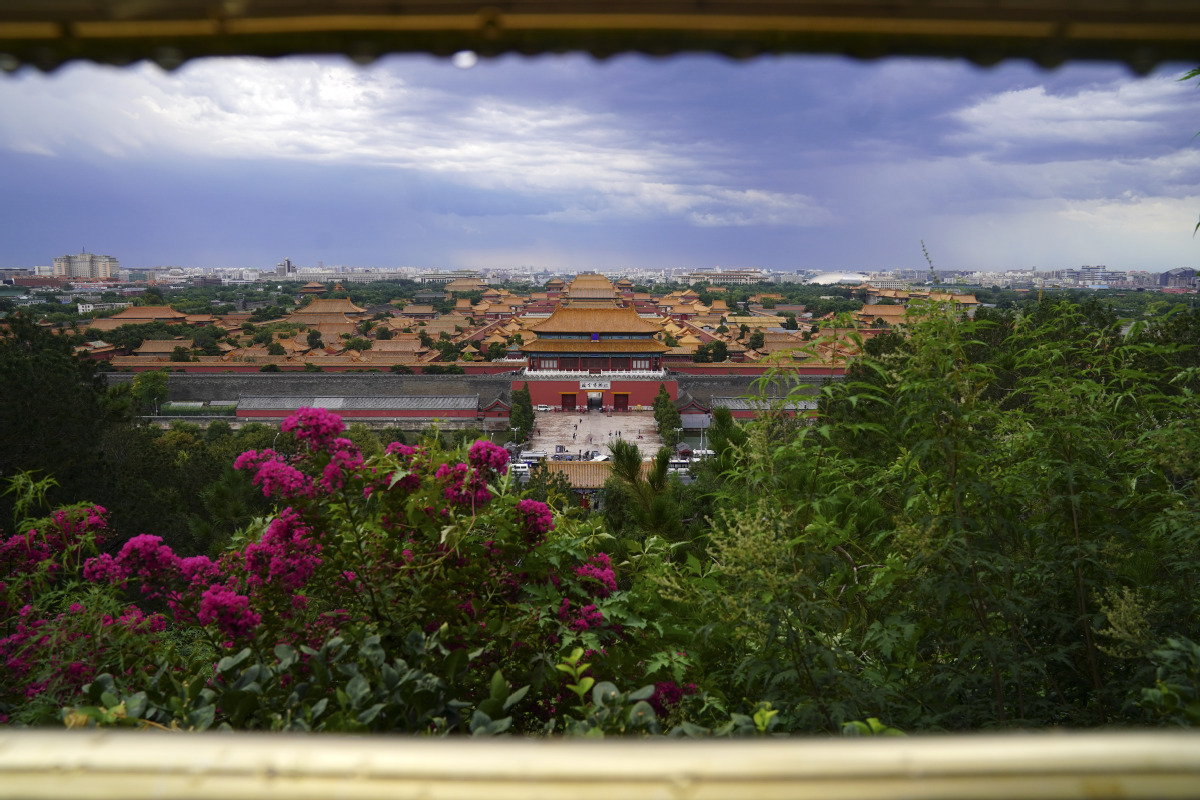
Jingshan Hill, a prominent feature in Beijing's urban landscape, is located along the historic Beijing Central Axis, which runs north-south through the heart of the city's old district. The hill is situated just north of the Forbidden City, offering a panoramic view of this ancient imperial complex. As part of the Central Axis, Jingshan Hill contributes significantly to the architectural and cultural significance of Beijing, reflecting the traditional Chinese ideals of symmetry and order. The hill itself is an artificial mountain constructed from the earth excavated during the development of the moats surrounding the Forbidden City, a testament to ancient Chinese engineering and urban planning.
History
The origins of Jingshan Hill date back to the Ming Dynasty (1368-1644), when it was constructed as part of the ambitious urban development plans of the era. The hill was built using soil excavated from the imperial moats, and it was designed to provide a vantage point over the city and the Forbidden City below. Jingshan Hill has witnessed several historical events, including the last days of the Ming Dynasty. It is famously known as the site where the last Ming emperor, Chongzhen, hanged himself in 1644 as rebel forces closed in on Beijing. This tragic event marked the end of the Ming Dynasty and the beginning of the Qing Dynasty (1644-1911).
Geography
Jingshan Hill is located in the center of Beijing, directly aligned with the north-south Central Axis that defines the city's historical layout. It rises to an elevation of 45.7 meters above the surrounding area, making it a notable landmark visible from various points in the city. The hill is part of Jingshan Park, a public space that provides visitors with lush greenery and a respite from the urban environment. The park encompasses several distinct paths and staircases that lead visitors to the summit, where the Wanchun Pavilion is located. This pavilion offers a commanding view of the Forbidden City, the modern urban skyline, and the surrounding historical sites.
Cultural Significance
Religious Importance
Jingshan Hill holds significant religious importance in Chinese culture, reflecting traditional beliefs and practices. Historically, it was associated with feng shui, a philosophical system that harmonizes individuals with their surrounding environment. The hill's strategic placement to the north of the Forbidden City was believed to protect the imperial palace from evil spirits and provide auspicious influences. Additionally, the hill has been a site for various religious ceremonies and rituals conducted by the emperors, reinforcing its spiritual and cultural role throughout history.
Artistic Influence
The scenic vistas and picturesque landscape of Jingshan Hill have inspired countless artists and poets throughout Chinese history. The hill and its surroundings have been depicted in numerous traditional Chinese paintings, highlighting its beauty and symbolic significance. The artistic influence of Jingshan Hill extends beyond visual arts; it has also been featured in literature and poetry, where it serves as a metaphorical symbol of stability and enduring strength. This artistic heritage continues to attract visitors to the hill, making it a beloved subject for modern photographers and painters alike.
Flora and Fauna
Jingshan Hill's environment supports a diverse array of flora, contributing to its reputation as a green oasis in the bustling city of Beijing. The park is home to a variety of plant species, including peonies, crabapple trees, and ancient cypress trees, some of which are several hundred years old. Seasonal flower displays, particularly during spring, attract visitors who come to enjoy the vibrant colors and fragrant blossoms. While the fauna is less varied due to the urban setting, the park provides a habitat for bird species that seek refuge in its trees and shrubs, offering opportunities for birdwatching enthusiasts.
Tourism
Attractions
Jingshan Hill is a major tourist attraction in Beijing, drawing visitors with its rich historical significance and breathtaking views. The most notable attraction is the summit of the hill, where the Wanchun Pavilion stands. From this vantage point, visitors can take in panoramic views of the Forbidden City, Tian'anmen Square, and other key landmarks along the Beijing Central Axis. The park itself is a popular destination for both locals and tourists, offering tranquil paths, beautiful gardens, and historical relics. The annual peony festival held at Jingshan Park is a highlight for many visitors, showcasing the stunning blooms of this traditional Chinese flower.
Activities
Visitors to Jingshan Hill can engage in a variety of activities that enhance their experience of this historical site. Climbing to the top of the hill is a popular activity, rewarding climbers with spectacular views of the cityscape. Photography enthusiasts can capture the unique angles and vistas offered by the hill's elevation. The park is also a hub for cultural activities, including traditional music performances, tai chi sessions, and kite flying, which are often held on its grounds. These activities provide an opportunity for visitors to immerse themselves in Chinese culture and enjoy the serene environment of Jingshan Hill.
Preservation and Conservation Efforts
Preservation and conservation efforts are crucial for maintaining the historical and cultural integrity of Jingshan Hill. As part of the broader conservation initiatives for the Beijing Central Axis, measures have been implemented to protect the hill's landscape, flora, and historical sites from the impacts of urbanization and tourism. The Beijing municipal government has undertaken projects to enhance the park's facilities, improve accessibility, and ensure the sustainable management of the site. Educational programs and campaigns are also conducted to raise public awareness about the importance of preserving Jingshan Hill for future generations.








